Qu'est-ce qui permet à une image de bien s'animer

Les modèles poursuivent ce qu'ils voient, y compris les problèmes. Dans nos six prises de publicités en cours, une image de départ bondée et visiblement synthétique restait douteuse quelle que soit la qualité du prompt, tandis qu'une image plus large et plus crédible offrait au même modèle une base de travail. Avant de générer, vérifiez votre image pour ces éléments :

  • De l'espace pour le mouvement. Un sujet collé au bord de l'image n'a nulle part où aller. Laissez de l'espace dans la direction du mouvement.
  • Des visages avec assez de pixels. Les petits visages sont mal redessinés. Générez plus large, puis recadrez, ou utilisez une image plus proche.
  • Lumière crédible. Une source lumineuse claire survit mieux au mouvement qu'une lumière plate ou mixte.
  • Aucun élément indésirable que vous ne voulez pas animer. Tout ce qui est dans l'image est susceptible de bouger, fondre ou se multiplier.

Exemple 1 : transformer une image fixe générée en un plan de course

La même image de départ et la même fiche d'identité ont été envoyées à plusieurs modèles. Voici la prise sélectionnée : Seedance 2.5 dans Dreamina, 5 secondes en 480p.. C'était un brouillon, et la direction temporelle a permis de rendre clairement le mouvement latéral de la caméra, l'effort facial et la lecture de la rivalité.

Entrée

Image de départ
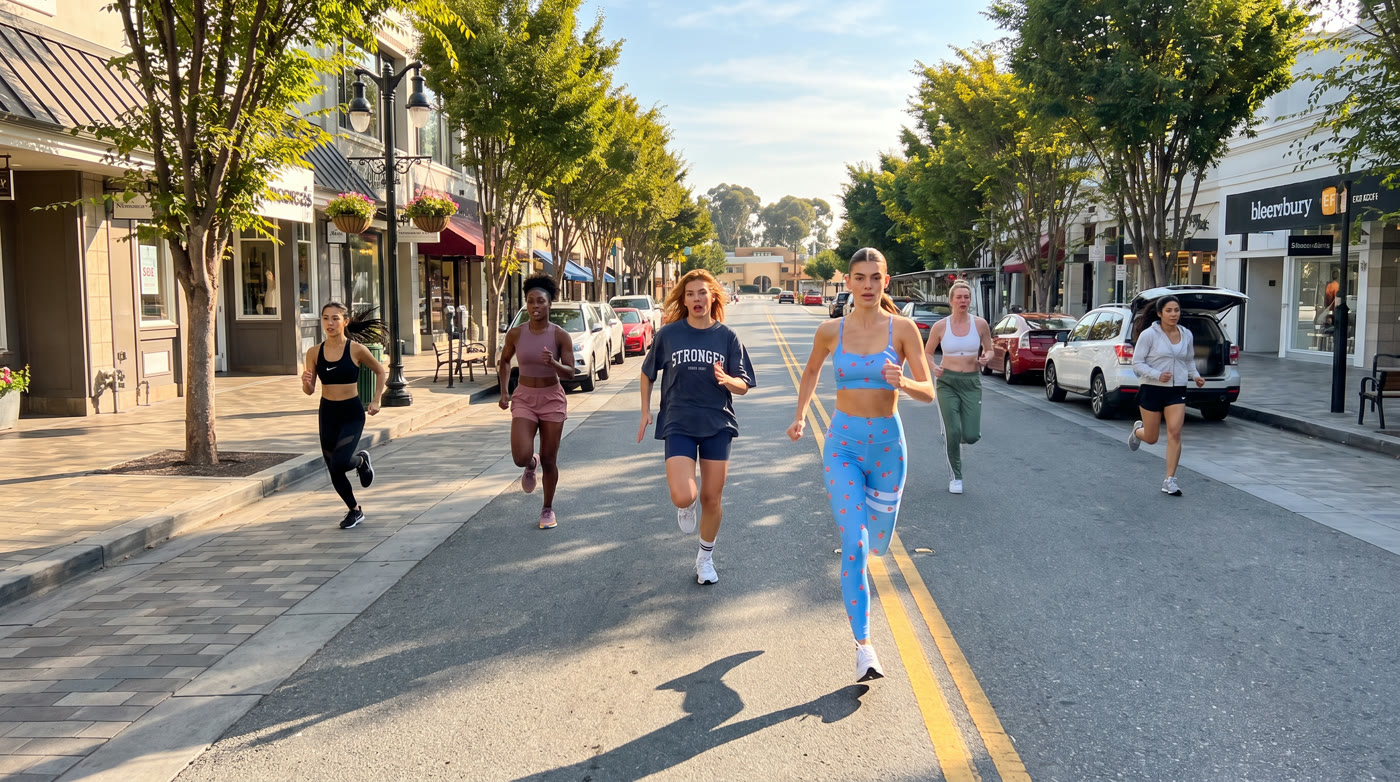
Image de départ de six femmes courant dans une rue commerçante ensoleillée

Une rue large, un soleil de fin de journée et un chemin dégagé pour la meute. Les visages et les tenues proviennent d'une feuille séparée.

Sortie · 5 s

Seedance 2.5

La caméra se déplace sur le côté des dirigeants et l'effort est visible. Il s'agit toujours d'un brouillon en 480p.

Exemple 2 : première et dernière image, pour un timing exact

Si vous voulez que le plan corresponde à une composition spécifique, donnez les deux extrémités au modèle. Wan 3.0 sur Higgsfield a pris les deux images et a produit 3 secondes en 1080 × 1920 à 30 fps avec le son, pour 10.5 crédits. Le prompt ne décrit que ce qui se passe entre les deux. Le modèle a respecté les deux images, et le trader ne lève jamais les yeux, conformément à la demande du prompt.

Entrée

Première image
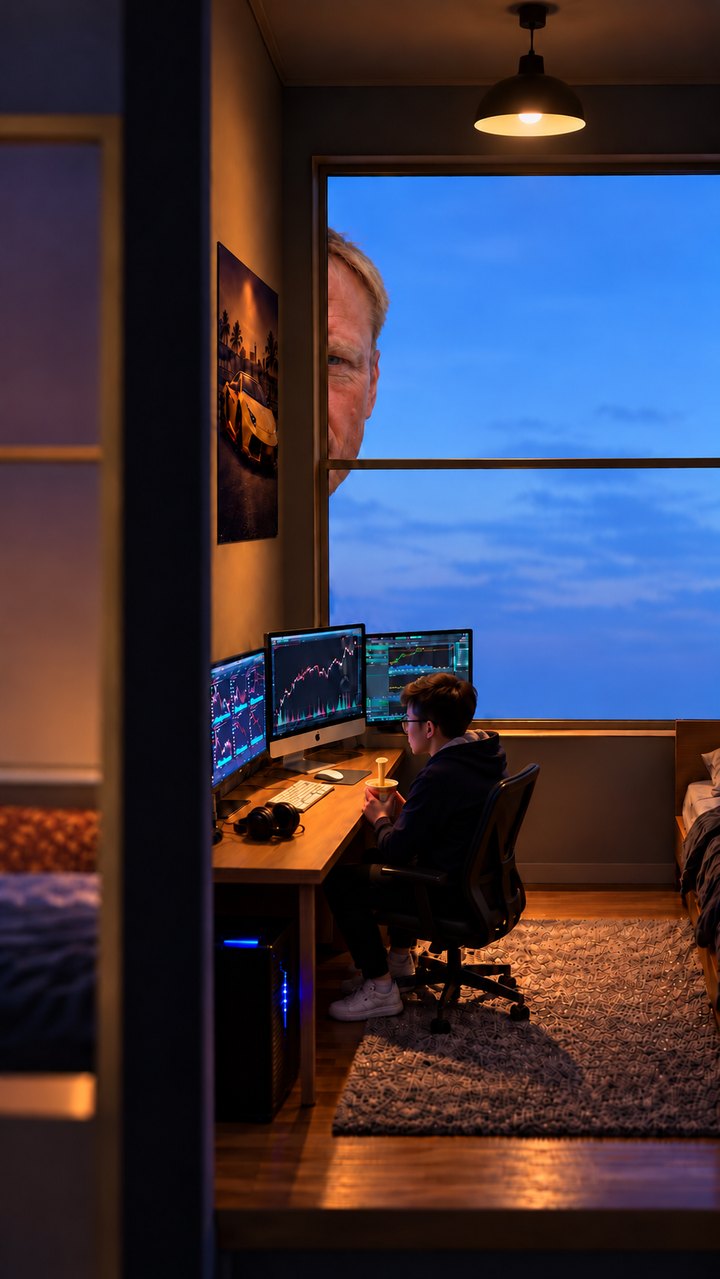
Miniature d'un trader à un bureau avec le bord d'un visage géant à la fenêtre

La dernière image montre la même pièce avec le visage entier remplissant l'image.

Sortie · 3 s

Wan 3.0

Le trader continue de manger ; le géant glisse et s'installe sur l'image finale.

Exemple 3 : un portrait qui parle

Pour la photo d'une personne réelle avec une vraie voix, le modèle d'avatar est la voie directe. L'avatar IA Kling v2 Pro a utilisé une seule photo et 5.55 secondes de parole enregistrée, pour un coût de $0.83 sur fal et une durée de 7 minutes. Il a conservé les taches de rousseur et la texture de la peau, et chaque geste est inventé ; utilisez donc ceci pour une nouvelle prise de parole face caméra. Pour conserver une performance réelle enregistrée, le montage vidéo fonctionne mieux. N'animez une personne réelle qu'avec son consentement.

Entrée

Photo source

Portrait de l'intervenant dans une marina au bord d'un lac

Une photo, plus l'enregistrement de l'interlocuteur.

Sortie · 5.55 s

Kling AI Avatar v2 Pro

Proche de la photo, avec un mouvement de caméra à l'épaule réaliste. Le clip est ici sans son.

Comment animer une photo, étape par étape

  1. Corrigez d'abord l'image. Montez-la jusqu'à ce qu'elle soit parfaite. Une retouche d'image coûte environ 0.15 $ sur Nano Banana Pro en 1K, contre des dollars pour la vidéo.
  2. Respectez le format de sortie. Utilisez le même rapport d'aspect que la vidéo souhaitée, sinon le modèle pourrait la recadrer. Notre configuration MiniMax H3 a silencieusement réduit la taille du canevas lorsque le rapport d'image ne correspondait pas exactement.
  3. Décrivez le mouvement, pas l'image. « Elle lève les yeux de son téléphone et sourit. La caméra avance lentement. » Décrivez ce qui reste inchangé en quelques mots.
  4. Demandez un seul mouvement toutes les quelques secondes. Les plans courts permettent un seul petit mouvement.
  5. Effectuez un test économique. Travaillez un brouillon en 480p ou 720p. Gardez le même mode de modèle que celui que vous utiliserez pour le rendu final.
  6. Vérifiez en taille réelle. Examinez les visages, les mains, le texte et vérifiez si la personne reste reconnaissable avant de payer pour du 1080p.

Quel modèle image-to-video devriez-vous utiliser ?

Issu de nos propres tests. Les prix sont les tarifs publics pour 5 secondes, relevés le 2 novembre 2026.
Besoin deModèle720p1080pCe que nous avons vu
Prix le plus basWan 3.0, API$0.50$1.00Respecte bien les premières et dernières images ; ne peut pas les mélanger avec des images de référence sur Higgsfield
Un plan unique sans interruption avec actionSeedance 2.5, BytePlus≈ $1.16≈ $2.84Direction de course la plus marquée ; de longues listes de prompts négatifs l'ont fait passer en ralenti
Plusieurs référencesKling 4.0, API≈ $0.79≈ $1.18Prend des images de référence et ajoute toujours du son

Options gratuites d'image en vidéo

Chercher un générateur image-to-video gratuit est une démarche logique pour un premier essai. Adobe Firefly propose des générations gratuites quotidiennes, et Canva permet l'Image to Video tant que votre forfait IA mensuel le permet. Les crédits quotidiens de Google Flow sont ceux que nous avons utilisés pour nos tests. Le tableau complet du plan gratuit indique les filigranes et les limites. Prévoyez de payer dès que vous aurez besoin de 1080p, sans filigrane ou de droits commerciaux.

Pour plusieurs plans avec la même personne, poursuivez avec le guide de cohérence.

Apprenez cela sur vos propres prises

Les ateliers vous permettent de passer d'une image à une vidéo terminée en trois heures, avec votre propre matériel.

Trouver votre atelier ↗

Prise 06 · Dreamina Seedance 2.5

Prompt utilisé pour cette prise

runnig6_street_race_16x9_v3 is the first frame of the video: the street, camera position, sunlight and the position of every runner at 0.0s.

six_women_sheet_2 is the identity and wardrobe reference only: the faces, hair, bodies, outfits and shoes of the same six women, top row left to right: 1 the brunette with a slicked-back ponytail in the light blue strawberry-print STRONGER sports bra and leggings, 2 the copper-haired woman in the washed navy oversized STRONGER t-shirt and bike shorts, 3 the woman in black Nike, 4 the ash-blonde in the white adidas top and sage green track pants, 5 the woman in the mauve HOKA top and pink shorts, 6 the woman in the open grey New Balance jacket. Take only the people from six_women_sheet_2; its grey backdrop, flat studio light and side-by-side lineup stay out of the video. Every woman keeps her exact face and outfit from six_women_sheet_2 throughout, with a stable, recognisable face. 16:9.

Side-tracking shot down a shopping street. Light, exactly as in runnig6_street_race_16x9_v3: the only light is the late-afternoon sun, low in the sky at the far end of the street and slightly to the right, about 15 degrees above the horizon behind the runners. It is hard, direct sunlight with crisp shadows, warm golden in colour, while the shade stays cool and slightly blue. It rims the runners' hair, shoulders, arms and calves with a bright warm edge that separates them from the street, and throws long hard shadows from their feet toward the camera and slightly left. The fronts of their bodies and their faces are on the shadow side, one to two stops darker, lit only by soft warm bounce from the pale asphalt, with natural skin micro-texture and subtle pores. When the camera reaches their side, the same sun comes from the right edge of the frame, behind them: the backs of their heads, shoulders and calves glow, their faces turned toward the left of the frame stay in soft bounce light, and their shadows stretch ahead of them across the asphalt. Fine dust kicked up by their shoes catches the backlight. The sun does not move and the exposure does not change during the camera move; only the dappled shadows of the street trees slide over the runners as they pass under them.

The video starts exactly on @Image1: six women racing hard straight toward the camera down the middle of the street. Over the first 1.5 seconds the camera swings from this front view around to the right side of the frame, the runners' left side, dropping to chest height and moving in close, then travels parallel with them for the rest of the shot, moving with the group but slightly slower so they pull forward through the frame. They cover about twenty-five metres of the street, so the background travels more than two full frame widths: the storefronts, lamp posts with hanging flower baskets and parked cars from the opening frame leave the edge within two seconds, and three or four shopfronts, street trees and parked cars that were never in the opening frame sweep in and pass behind them.

Breathing and faces: every runner breathes in a real running rhythm synced to her stride, a quick inhale with lips nearly closed, then a hard exhale through an open mouth, every second step, so mouths keep opening and closing instead of staying open. Their expressions change as the race tightens: eyebrows pull together, jaws clench, lips press into a line before a push, cheeks puff on a sharp exhale, eyes flick sideways at the rival next to them.

[0:00-1:50] The pack runs toward the camera as in runnig6_street_race_16x9_v3, backlit, while the camera swings to their side. The lead in the strawberry-print STRONGER set breathes steadily, face focused, lips closing between exhales.
[1:50-2:50] The camera is beside them; the lead runs closest, filling half the frame height, the sun rimming the back of her ponytail and shoulders. The copper-haired runner in the navy STRONGER t-shirt glances at her, presses her lips together, then surges up to her shoulder with a sharp exhale through gritted teeth.
[2:50-3:50] They pass under a street tree and leaf shadows slide across their faces and arms, then warm sun hits their backs again. The lead feels the rival there: her brow tightens, her jaw sets, and she drives her arms harder with a short, strong exhale. Behind them the runner in the mauve HOKA top and the blonde in green track pants push hard, faces straining, mouths opening wide on each breath.
[3:50-5:00] The two STRONGER runners are level, stride for stride, passing a new corner shopfront; both faces show the last extra effort, eyes narrowed, nostrils flaring on the inhale, mouths snapping open on each exhale. Full racing speed, fast leg cadence, arms driving hard, ponytails and hair whipping backward and glowing in the backlight, faces sharp, clothing and printed logos readable, heavy speed blur across the buildings, parked cars and pavement while the runners stay sharp.

Wan 3.0 · plan A · de l'image de début à l'image du milieu, 3 s

Prompt utilisé pour le plan A

3-second contemporary digital comedy shot inside a physical miniature dollhouse. One continuous take: a miniature trader eats noodles at his desk while a giant, unnoticed, slowly rises into view behind his rear window.

FORMAT: 9:16, 3.0 seconds, photoreal digital cinema with native sound.

START AND END: open exactly on the supplied start frame (trader room; trader holding his noodle cup near his mouth; only a sliver of the giant observer's face visible at the far left edge of the rear window) and end exactly on the supplied end frame (same room; the observer's whole face filling the rear window, looking down at the trader). Keep both frames' composition, proportions, floor height, window geometry, furniture, desk items and lighting.

TRADER: miniature young man at the desk, glasses, black hoodie, dark trousers, white trainers. He eats continuously for the whole shot: cup held near his mouth in one hand, lifting forkfuls of noodles, chewing, eyes on his three monitors. He never notices the observer, never turns, never speaks. Black over-ear headphones lie untouched on the desk beside the keyboard.
OBSERVER: giant blond man, blue eyes, light-blue T-shirt, outside the rear window; exactly the man in the end frame. He moves from almost out of view at the left edge across and into the window, curious, settling into the end frame's head position, angle and downward gaze. Lips closed, silent, hands below the sill.

STYLE: frame-matched lens perspective, deep focus holding trader and observer together, restrained acting, natural skin and cloth. A photographed miniature set with a real person outside, not generated footage.
COLOR: warm brown and charcoal room under a warm pendant; blue daylight outside the window.
ENVIRONMENT: the trader room only: desk with three monitors, keyboard, headphones, bed, rug, wall artwork. Architecture and furniture stay fixed.

CAMERA: very slight physical dolly to camera-right along the open dollhouse front, matching the small shift between the start and end frames; constant height, direction and focal length. No zoom.

[0.0s-2.5s] The trader keeps eating - forkfuls lifted and chewed, eyes on the monitors. The observer glides in from the left edge of the rear window, his face rising and sliding across until it fills the window, quietly watching the trader eat. SFX: faint computer hum, fork against the cup, soft slurping, chewing.

[2.5s-3.0s] Held composition matching the end frame: the observer's face filling the rear window, eyes on the trader; the trader still eating, unaware. Camera settled.

AUDIO: eating sounds and computer hum only; subtle room ambience. No dialogue, no music, no narration, no on-screen text, no subtitles, no logo.

CONSTRAINTS: one unbroken take; no cuts, dissolves, black frames or zoom. Nobody speaks. The trader keeps eating and never looks at the window. The headphones stay on the desk. Preserve identities, wardrobe, miniature-to-giant scale, room dimensions, window geometry and desk items. Stable faces throughout, no morphing, no deformation, photoreal cinematic finish.

Avatars 1 et 2 · OmniHuman 1.5 et Kling AI Avatar v2 Pro

Prompt utilisé pour les deux avatars

A woman talks directly to the camera in a handheld selfie video on a sunny lakeside marina. Natural, relaxed delivery: small head nods and tilts, lively eyebrows, natural blinks, subtle shoulder movement, slight handheld camera sway as if she holds the phone at arm's length. Her hair moves lightly in the breeze; boats rock gently on the water behind her. Her face, hair and striped shirt stay exactly as in the photo. Realistic skin, natural daylight.

Inputs: the marina photo as the image, the speaker's own recording (0-5.55 s) as the audio. OmniHuman 1.5 at 720p.