Was ein Bild gut animiert

Modelle setzen das fort, was sie sehen - einschließlich der Fehler. In unseren sechs kommerziellen Takes blieb ein überfüllter, sichtlich synthetischer Startframe fragwürdig, egal wie gut der Prompt war; ein breiterer, glaubwürdigerer Frame gab demselben Modell jedoch eine bessere Grundlage. Prüfen Sie Ihr Bild vor der Generierung auf Folgendes:

  • Raum für Bewegung. Ein Motiv, das direkt am Bildrand klebt, hat keinen Platz zum Agieren. Lassen Sie in Bewegungsrichtung ausreichend Platz.
  • Gesichter mit ausreichend Pixeln. Kleine Gesichter werden oft schlecht neu gezeichnet. Generieren Sie das Bild breiter und schneiden Sie es dann zu, oder verwenden Sie eine nähere Aufnahme.
  • Glaubwürdiges Licht. Eine klare Lichtquelle bleibt bei Bewegungen besser erhalten als flaches oder gemischtes Licht.
  • Kein unnötiger Ballast, der nicht animiert werden soll. Alles im Bild ist ein Kandidat für Bewegung, Schmelzen oder Vervielfältigung.

Beispiel 1: Ein generiertes Standbild wird zu einer Rennaufnahme

Derselbe Startframe und dasselbe Identity Sheet wurden an mehrere Modelle gesendet. Dies ist der ausgewählte Take: Seedance 2.5 in Dreamina, 5 Sekunden bei 480p.. Es war ein Entwurf, und die zeitgesteuerte Regie sorgte für die seitliche Kamerabewegung, die Mimik und die deutlich lesbare Rivalität.

Eingabe

Startbild
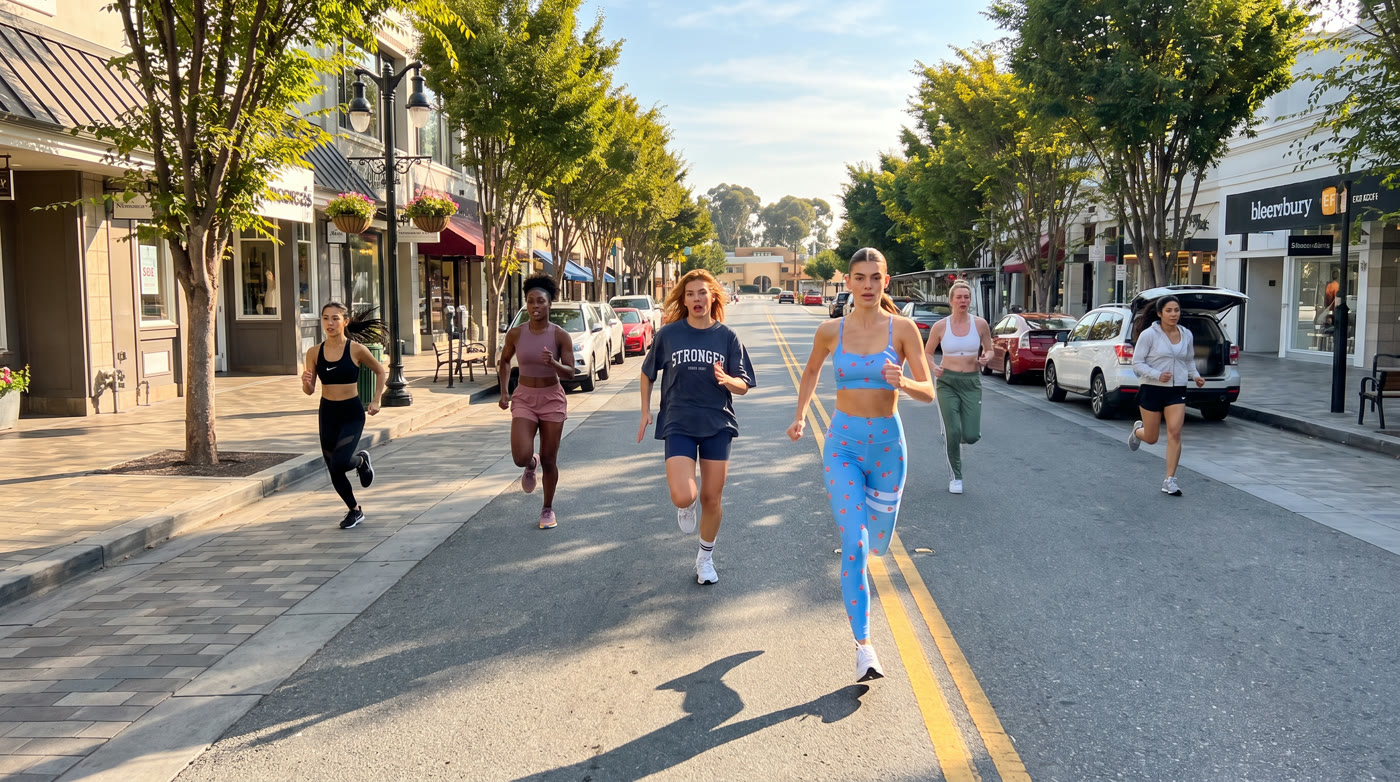
Startbild von sechs Frauen, die eine sonnendurchflutete Einkaufsstraße hinunterlaufen

Eine breite Straße, tiefe Sonne und ein klarer Pfad für die Gruppe. Gesichter und Outfits stammten aus einem separaten Sheet.

Ausgabe · 5 s

Seedance 2.5

Die Kamera bewegt sich seitlich an den Anführern vorbei, der Aufwand ist sichtbar. Es handelt sich noch um einen 480p-Entwurf.

Beispiel 2: erster und letzter Frame für exaktes Timing

Wenn die Einstellung auf einer bestimmten Komposition basieren soll, geben Sie dem Modell beide Endpunkte vor. Wan 3.0 auf Higgsfield nahm die zwei Bilder und erzeugte 3 Sekunden in 1080 × 1920 bei 30 fps mit Ton für 10.5 Credits. Der Prompt beschreibt nur, was zwischen ihnen passiert. Das Modell hat beide Frames berücksichtigt, und der Händler schaut nie auf, genau wie es der Prompt verlangt hat.

Eingabe

Erster Frame
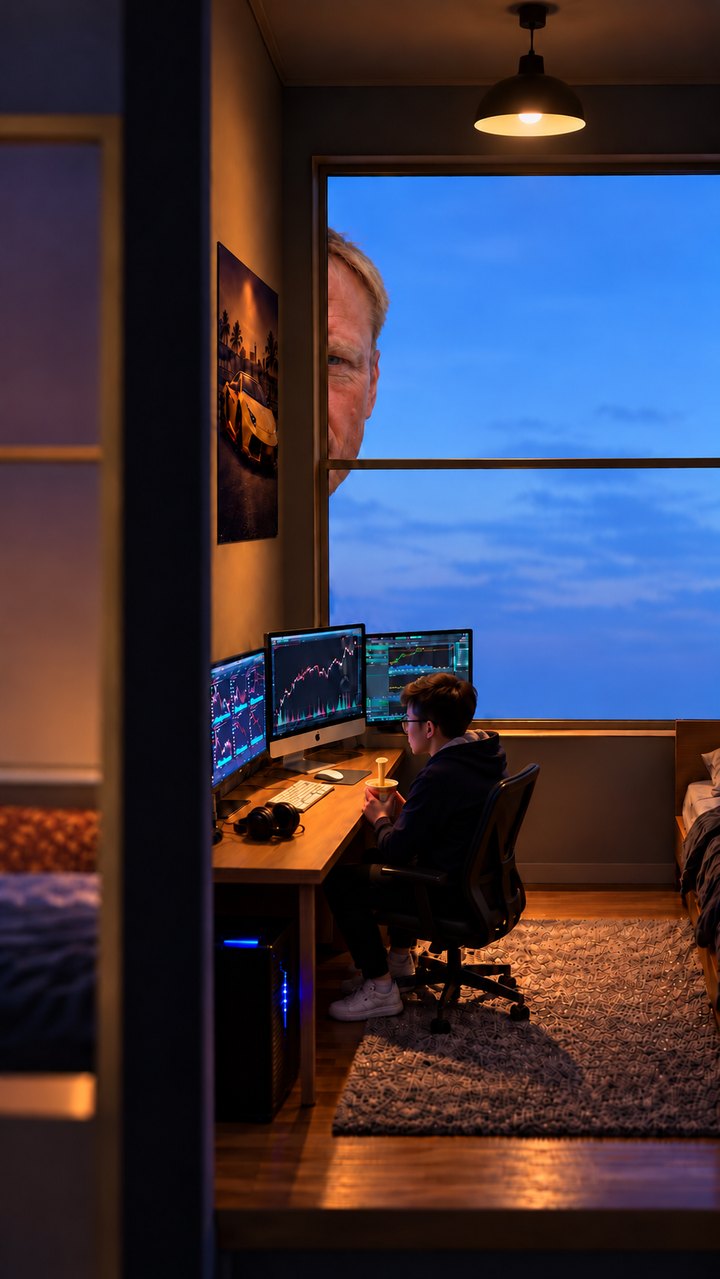
Miniatur-Händler an einem Schreibtisch, am Fenster ist der Rand eines riesigen Gesichts zu sehen

Der letzte Frame zeigt denselben Raum, wobei das gesamte Gesicht das Bildfenster ausfüllt.

Ausgabe · 3 s

Wan 3.0

Der Händler isst weiter; der Riese schiebt sich ins Bild und verweilt im letzten Frame.

Beispiel 3: ein sprechendes Porträtfoto

Für ein Foto einer echten Person mit einer echten Stimme ist ein Avatar-Modell der direkteste Weg. Kling AI Avatar v2 Pro benötigte nur ein Foto und 5.55 Sekunden aufgenommenen Sprechers, kostete 0.83 $ auf fal und dauerte 7 Minuten. Die Sommersprossen und die Hautstruktur blieben erhalten, und jede Geste wurde generiert - nutzen Sie dies also für eine neue Ansprache direkt in die Kamera. Um eine echte, aufgezeichnete Performance beizubehalten, eignet sich eine Videobearbeitung besser . Animieren Sie echte Personen nur mit deren Zustimmung.

Eingabe

Quellfoto

Porträtfoto des Sprechers an einer Marina am See

Ein Foto plus die eigene Aufnahme des Sprechers.

Ausgabe · 5.55 s

Kling AI Avatar v2 Pro

Nah am Foto, mit einem glaubwürdigen Handkamera-Wackeln. Der Clip wird hier ohne Ton abgespielt.

Schritt-für-Schritt-Anleitung: So animieren Sie ein Foto

  1. Korrigieren Sie zuerst das Bild. Bearbeiten Sie es, bis es perfekt ist. Eine Bildbearbeitung kostet bei Nano Banana Pro auf 1K etwa $0.15, im Gegensatz zu den Kosten für Video.
  2. Passen Sie das Ausgabeformat an. Verwenden Sie dasselbe Seitenverhältnis wie bei dem Video, das Sie erstellen möchten, da das Modell es sonst eventuell beschneidet. Unser MiniMax H3-Setup hat die Leinwand im Hintergrund automatisch verkleinert, als das Bildformat nicht exakt übereinstimmte.
  3. Beschreiben Sie die Bewegung, nicht das Bild. „Sie blickt vom Telefon auf und lächelt. Die Kamera fährt langsam heran.“ Beschreiben Sie in wenigen Worten, was unverändert bleibt.
  4. Fordern Sie eine Bewegung alle paar Sekunden an. Kurze Aufnahmen bieten Platz für eine kleine Bewegung.
  5. Führen Sie einen günstigen Test durch. Entwurf in 480p oder 720p. Behalten Sie denselben Modell-Modus bei, den Sie auch für das Finale verwenden werden.
  6. Prüfen Sie in voller Auflösung. Achten Sie auf Gesichter, Hände, Text und darauf, ob die Person noch wie sie selbst aussieht, bevor Sie für 1080p bezahlen.

Welches Image-to-Video-Modell sollten Sie verwenden?

Aus unseren eigenen Tests. Die Preise sind Listenpreise für 5 Sekunden, erfasst am 2. November 2026.
BenötigtModell720p1080pWas wir gesehen haben
Niedrigster PreisWan 3.0, API$0.50$1.00Folgt dem ersten und letzten Frame gut; kann nicht mit Referenzbildern auf Higgsfield gemischt werden
Eine einzige, ununterbrochene Einstellung mit ActionSeedance 2.5, BytePlus≈ $1.16≈ $2.84Stärkste Richtungssteuerung; lange Negativ-Listen führten zu Zeitlupe
Diverse ReferenzenKling 4.0, API≈ $0.79≈ $1.18Nutzt Referenzbilder und fügt immer Sound hinzu

Kostenlose Image-to-Video-Optionen

Die Suche nach einem kostenlosen Image-to-Video-Generator ist für einen ersten Versuch sinnvoll. Adobe Firefly bietet kostenlose tägliche Generierungen an, und Canva ermöglicht Image-to-Video, solange Ihr monatliches KI-Kontingent reicht. Die täglichen Credits von Google Flow wurden von uns für Tests verwendet. Die vollständige Übersicht der kostenlosen Pläne zeigt Wasserzeichen und Limits. Rechnen Sie mit Kosten, sobald Sie 1080p, kein Wasserzeichen oder kommerzielle Rechte benötigen.

Für mehrere Aufnahmen mit derselben Person nutzen Sie bitte den Konsistenz-Guide.

Lernen Sie dies anhand Ihrer eigenen Aufnahmen

In den Workshops führen wir Sie in drei Stunden mit eigenem Material von einem einzelnen Bild zu einem fertigen Video.

Finden Sie Ihren Workshop ↗

Take 06 · Dreamina Seedance 2.5

Prompt für diesen Take verwendet

runnig6_street_race_16x9_v3 is the first frame of the video: the street, camera position, sunlight and the position of every runner at 0.0s.

six_women_sheet_2 is the identity and wardrobe reference only: the faces, hair, bodies, outfits and shoes of the same six women, top row left to right: 1 the brunette with a slicked-back ponytail in the light blue strawberry-print STRONGER sports bra and leggings, 2 the copper-haired woman in the washed navy oversized STRONGER t-shirt and bike shorts, 3 the woman in black Nike, 4 the ash-blonde in the white adidas top and sage green track pants, 5 the woman in the mauve HOKA top and pink shorts, 6 the woman in the open grey New Balance jacket. Take only the people from six_women_sheet_2; its grey backdrop, flat studio light and side-by-side lineup stay out of the video. Every woman keeps her exact face and outfit from six_women_sheet_2 throughout, with a stable, recognisable face. 16:9.

Side-tracking shot down a shopping street. Light, exactly as in runnig6_street_race_16x9_v3: the only light is the late-afternoon sun, low in the sky at the far end of the street and slightly to the right, about 15 degrees above the horizon behind the runners. It is hard, direct sunlight with crisp shadows, warm golden in colour, while the shade stays cool and slightly blue. It rims the runners' hair, shoulders, arms and calves with a bright warm edge that separates them from the street, and throws long hard shadows from their feet toward the camera and slightly left. The fronts of their bodies and their faces are on the shadow side, one to two stops darker, lit only by soft warm bounce from the pale asphalt, with natural skin micro-texture and subtle pores. When the camera reaches their side, the same sun comes from the right edge of the frame, behind them: the backs of their heads, shoulders and calves glow, their faces turned toward the left of the frame stay in soft bounce light, and their shadows stretch ahead of them across the asphalt. Fine dust kicked up by their shoes catches the backlight. The sun does not move and the exposure does not change during the camera move; only the dappled shadows of the street trees slide over the runners as they pass under them.

The video starts exactly on @Image1: six women racing hard straight toward the camera down the middle of the street. Over the first 1.5 seconds the camera swings from this front view around to the right side of the frame, the runners' left side, dropping to chest height and moving in close, then travels parallel with them for the rest of the shot, moving with the group but slightly slower so they pull forward through the frame. They cover about twenty-five metres of the street, so the background travels more than two full frame widths: the storefronts, lamp posts with hanging flower baskets and parked cars from the opening frame leave the edge within two seconds, and three or four shopfronts, street trees and parked cars that were never in the opening frame sweep in and pass behind them.

Breathing and faces: every runner breathes in a real running rhythm synced to her stride, a quick inhale with lips nearly closed, then a hard exhale through an open mouth, every second step, so mouths keep opening and closing instead of staying open. Their expressions change as the race tightens: eyebrows pull together, jaws clench, lips press into a line before a push, cheeks puff on a sharp exhale, eyes flick sideways at the rival next to them.

[0:00-1:50] The pack runs toward the camera as in runnig6_street_race_16x9_v3, backlit, while the camera swings to their side. The lead in the strawberry-print STRONGER set breathes steadily, face focused, lips closing between exhales.
[1:50-2:50] The camera is beside them; the lead runs closest, filling half the frame height, the sun rimming the back of her ponytail and shoulders. The copper-haired runner in the navy STRONGER t-shirt glances at her, presses her lips together, then surges up to her shoulder with a sharp exhale through gritted teeth.
[2:50-3:50] They pass under a street tree and leaf shadows slide across their faces and arms, then warm sun hits their backs again. The lead feels the rival there: her brow tightens, her jaw sets, and she drives her arms harder with a short, strong exhale. Behind them the runner in the mauve HOKA top and the blonde in green track pants push hard, faces straining, mouths opening wide on each breath.
[3:50-5:00] The two STRONGER runners are level, stride for stride, passing a new corner shopfront; both faces show the last extra effort, eyes narrowed, nostrils flaring on the inhale, mouths snapping open on each exhale. Full racing speed, fast leg cadence, arms driving hard, ponytails and hair whipping backward and glowing in the backlight, faces sharp, clothing and printed logos readable, heavy speed blur across the buildings, parked cars and pavement while the runners stay sharp.

Wan 3.0 · Einstellung A · Startframe bis Mittelframe, 3 s

Verwendeter Prompt für Einstellung A

3-second contemporary digital comedy shot inside a physical miniature dollhouse. One continuous take: a miniature trader eats noodles at his desk while a giant, unnoticed, slowly rises into view behind his rear window.

FORMAT: 9:16, 3.0 seconds, photoreal digital cinema with native sound.

START AND END: open exactly on the supplied start frame (trader room; trader holding his noodle cup near his mouth; only a sliver of the giant observer's face visible at the far left edge of the rear window) and end exactly on the supplied end frame (same room; the observer's whole face filling the rear window, looking down at the trader). Keep both frames' composition, proportions, floor height, window geometry, furniture, desk items and lighting.

TRADER: miniature young man at the desk, glasses, black hoodie, dark trousers, white trainers. He eats continuously for the whole shot: cup held near his mouth in one hand, lifting forkfuls of noodles, chewing, eyes on his three monitors. He never notices the observer, never turns, never speaks. Black over-ear headphones lie untouched on the desk beside the keyboard.
OBSERVER: giant blond man, blue eyes, light-blue T-shirt, outside the rear window; exactly the man in the end frame. He moves from almost out of view at the left edge across and into the window, curious, settling into the end frame's head position, angle and downward gaze. Lips closed, silent, hands below the sill.

STYLE: frame-matched lens perspective, deep focus holding trader and observer together, restrained acting, natural skin and cloth. A photographed miniature set with a real person outside, not generated footage.
COLOR: warm brown and charcoal room under a warm pendant; blue daylight outside the window.
ENVIRONMENT: the trader room only: desk with three monitors, keyboard, headphones, bed, rug, wall artwork. Architecture and furniture stay fixed.

CAMERA: very slight physical dolly to camera-right along the open dollhouse front, matching the small shift between the start and end frames; constant height, direction and focal length. No zoom.

[0.0s-2.5s] The trader keeps eating - forkfuls lifted and chewed, eyes on the monitors. The observer glides in from the left edge of the rear window, his face rising and sliding across until it fills the window, quietly watching the trader eat. SFX: faint computer hum, fork against the cup, soft slurping, chewing.

[2.5s-3.0s] Held composition matching the end frame: the observer's face filling the rear window, eyes on the trader; the trader still eating, unaware. Camera settled.

AUDIO: eating sounds and computer hum only; subtle room ambience. No dialogue, no music, no narration, no on-screen text, no subtitles, no logo.

CONSTRAINTS: one unbroken take; no cuts, dissolves, black frames or zoom. Nobody speaks. The trader keeps eating and never looks at the window. The headphones stay on the desk. Preserve identities, wardrobe, miniature-to-giant scale, room dimensions, window geometry and desk items. Stable faces throughout, no morphing, no deformation, photoreal cinematic finish.

Avatare 1 und 2 · OmniHuman 1.5 und Kling AI Avatar v2 Pro

Verwendeter Prompt für beide Avatare

A woman talks directly to the camera in a handheld selfie video on a sunny lakeside marina. Natural, relaxed delivery: small head nods and tilts, lively eyebrows, natural blinks, subtle shoulder movement, slight handheld camera sway as if she holds the phone at arm's length. Her hair moves lightly in the breeze; boats rock gently on the water behind her. Her face, hair and striped shirt stay exactly as in the photo. Realistic skin, natural daylight.

Inputs: the marina photo as the image, the speaker's own recording (0-5.55 s) as the audio. OmniHuman 1.5 at 720p.