Qué hace que una imagen se anime bien

Los modelos continúan lo que ven, incluidos sus problemas. En nuestras seis tomas de anuncios en curso, un fotograma inicial abarrotado y visiblemente sintético seguía siendo cuestionable por muy bueno que fuera el prompt, mientras que un fotograma más amplio y creíble le dio al mismo modelo algo con lo que trabajar. Antes de generar, comprueba si tu imagen presenta esto:

  • Espacio para moverse. Un sujeto pegado al borde del encuadre no tiene hacia dónde ir. Deja espacio en la dirección del movimiento.
  • Rostros con suficientes píxeles. Los rostros pequeños se redibujan mal. Genera un plano más amplio y luego recorta, o usa una foto más cercana.
  • Luz creíble. Una fuente de luz clara sobrevive mejor al movimiento que una luz plana o mixta.
  • Sin elementos que no quieras animar. Todo lo que hay en el plano es un candidato a moverse, derretirse o multiplicarse.

Ejemplo de 1: una imagen estática convertida en un plano de carrera

El mismo fotograma inicial y la misma hoja de identidad se enviaron a varios modelos. Esta es la toma seleccionada: Seedance 2.5 en Dreamina, 5 segundos a 480p.. Fue una toma de prueba, y la dirección temporal hizo que el movimiento lateral de cámara, el esfuerzo facial y la sensación de rivalidad se percibieran claramente.

Entrada

Fotograma inicial
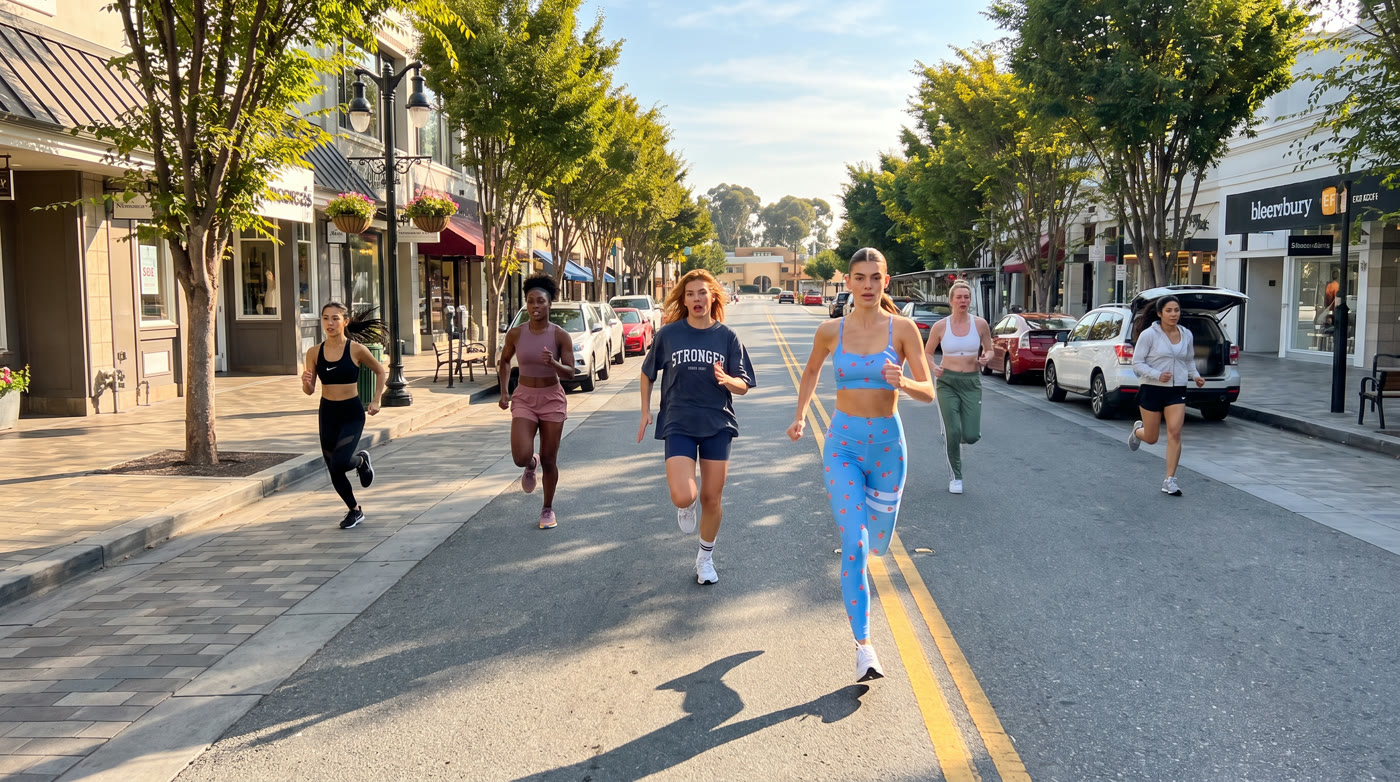
Fotograma inicial de seis mujeres corriendo por una calle comercial iluminada por el sol

Una calle ancha, el sol de la tarde y un camino despejado para la manada. Los rostros y la vestimenta proceden de una hoja aparte.

Salida · 5 s

Seedance 2.5

La cámara se desplaza hacia un lado de los líderes y el esfuerzo es visible. Sigue siendo un borrador en 480p.

Ejemplo 2: primer y último fotograma, para una sincronización exacta

Si necesitas que el plano encaje en una composición específica, dale al modelo ambos extremos. Wan 3.0 en Higgsfield tomó las dos imágenes y produjo 3 segundos a 1080 × 1920 y 30 fps con sonido, por 10.5 créditos. El prompt solo describe lo que ocurre entre ellas. El modelo respetó ambos fotogramas, y el comerciante nunca levanta la vista, tal como pedía el prompt.

Entrada

Primer fotograma
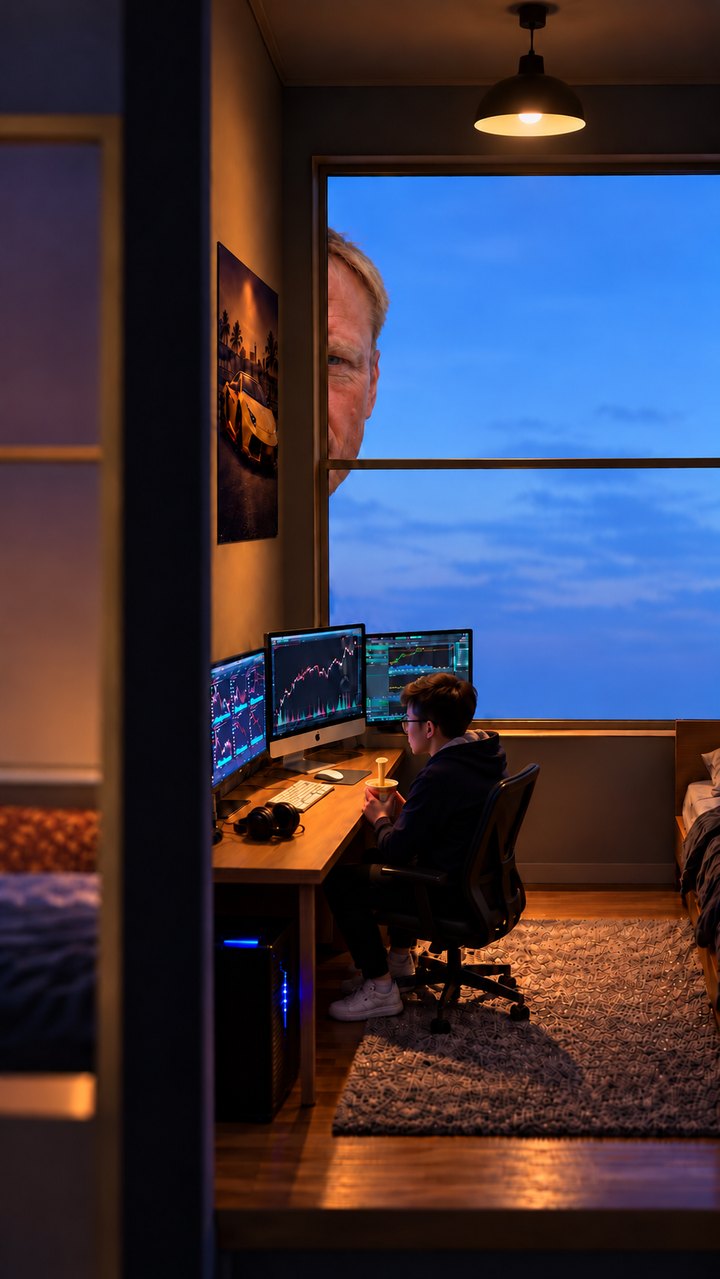
Comerciante en miniatura en un escritorio con el borde de una cara gigante en la ventana

El último fotograma es la misma habitación con el rostro completo ocupando todo el encuadre.

Salida · 3 s

Wan 3.0

El comerciante sigue comiendo; el gigante se desliza y se asienta en el fotograma final.

Ejemplo 3: una foto de retrato que habla

Para la foto de una persona real con una voz real, un modelo de avatar es la vía directa. Kling AI Avatar v2 Pro utilizó una foto y 5.55 segundos de voz grabada, costó $0.83 en fal y tardó 7 minutos. Mantuvo las pecas y la textura de la piel, y cada gesto es inventado, así que usa esto para una nueva toma a cámara. Para mantener una interpretación real grabada, la edición de vídeo funciona mejor. Anima a una persona real solo con su consentimiento.

Entrada

Foto de origen

Foto de retrato del interlocutor en una marina junto al lago

Una foto, más la propia grabación del interlocutor.

Salida · 5.55 s

Kling AI Avatar v2 Pro

Cercano a la foto, con un balanceo de cámara en mano creíble. El clip se reproduce sin sonido aquí.

Cómo animar una foto, paso a paso

  1. Primero arregla la imagen. Edítala hasta que esté perfecta. Editar una imagen cuesta unos $0.15 en Nano Banana Pro a 1K, frente al coste de un vídeo.
  2. Coincide con el formato de salida. Usa la misma relación de aspecto que el vídeo que desees, o el modelo podría recortarlo. Nuestra configuración de MiniMax H3 redujo silenciosamente el lienzo a uno más pequeño cuando la relación de fotogramas no coincidía exactamente.
  3. Escribe el movimiento, no la imagen. “Ella levanta la vista del teléfono y sonríe. La cámara hace un push in lento”. Describe lo que permanece igual en pocas palabras.
  4. Pide un movimiento cada pocos segundos. Los planos cortos permiten un pequeño movimiento.
  5. Haz una prueba económica. Boceta en 480p o 720p. Mantén el mismo modo de modelo que usarás para el resultado final.
  6. Comprueba en tamaño completo. Fíjate en los rostros, las manos, el texto y si la persona sigue pareciéndose a sí misma antes de pagar por 1080p.

¿Qué modelo de imagen a vídeo deberías usar?

De nuestras propias ejecuciones. Los precios son los de lista para 5 segundos, capturados el 2 de noviembre de 2026.
NecesitarModelo720p1080pLo que vimos
Precio más bajoWan 3.0, API$0.50$1.00Siguió bien el primer y último fotograma; no se pueden mezclar con imágenes de referencia en Higgsfield
Un plano continuo con acciónSeedance 2.5, BytePlus≈ $1.16≈ $2.84Dirección de carrera más fuerte; las largas listas negativas lo llevaron a cámara lenta
Varias referenciasKling 4.0, API≈ $0.79≈ $1.18Toma imágenes de referencia y siempre añade sonido

Opciones gratuitas de imagen a vídeo

Buscar un generador gratuito de imagen a vídeo es razonable para un primer intento. Adobe Firefly ofrece generaciones gratuitas diarias y Canva permite de imagen a vídeo mientras dure tu asignación mensual de IA. Los créditos diarios de Google Flow son los que usamos para las pruebas. La tabla completa del plan gratuito muestra las marcas de agua y los límites. Prepárate para pagar cuando necesites 1080p, sin marcas de agua o derechos comerciales.

Para varios planos con la misma persona, sigue nuestra guía de consistencia.

Aprende esto con tus propios planos

Los talleres te llevan de una imagen a un vídeo terminado en tres horas, con tu propio material.

Encuentra tu taller ↗

Toma 06 · Dreamina Seedance 2.5

Prompt utilizado para esta toma

runnig6_street_race_16x9_v3 is the first frame of the video: the street, camera position, sunlight and the position of every runner at 0.0s.

six_women_sheet_2 is the identity and wardrobe reference only: the faces, hair, bodies, outfits and shoes of the same six women, top row left to right: 1 the brunette with a slicked-back ponytail in the light blue strawberry-print STRONGER sports bra and leggings, 2 the copper-haired woman in the washed navy oversized STRONGER t-shirt and bike shorts, 3 the woman in black Nike, 4 the ash-blonde in the white adidas top and sage green track pants, 5 the woman in the mauve HOKA top and pink shorts, 6 the woman in the open grey New Balance jacket. Take only the people from six_women_sheet_2; its grey backdrop, flat studio light and side-by-side lineup stay out of the video. Every woman keeps her exact face and outfit from six_women_sheet_2 throughout, with a stable, recognisable face. 16:9.

Side-tracking shot down a shopping street. Light, exactly as in runnig6_street_race_16x9_v3: the only light is the late-afternoon sun, low in the sky at the far end of the street and slightly to the right, about 15 degrees above the horizon behind the runners. It is hard, direct sunlight with crisp shadows, warm golden in colour, while the shade stays cool and slightly blue. It rims the runners' hair, shoulders, arms and calves with a bright warm edge that separates them from the street, and throws long hard shadows from their feet toward the camera and slightly left. The fronts of their bodies and their faces are on the shadow side, one to two stops darker, lit only by soft warm bounce from the pale asphalt, with natural skin micro-texture and subtle pores. When the camera reaches their side, the same sun comes from the right edge of the frame, behind them: the backs of their heads, shoulders and calves glow, their faces turned toward the left of the frame stay in soft bounce light, and their shadows stretch ahead of them across the asphalt. Fine dust kicked up by their shoes catches the backlight. The sun does not move and the exposure does not change during the camera move; only the dappled shadows of the street trees slide over the runners as they pass under them.

The video starts exactly on @Image1: six women racing hard straight toward the camera down the middle of the street. Over the first 1.5 seconds the camera swings from this front view around to the right side of the frame, the runners' left side, dropping to chest height and moving in close, then travels parallel with them for the rest of the shot, moving with the group but slightly slower so they pull forward through the frame. They cover about twenty-five metres of the street, so the background travels more than two full frame widths: the storefronts, lamp posts with hanging flower baskets and parked cars from the opening frame leave the edge within two seconds, and three or four shopfronts, street trees and parked cars that were never in the opening frame sweep in and pass behind them.

Breathing and faces: every runner breathes in a real running rhythm synced to her stride, a quick inhale with lips nearly closed, then a hard exhale through an open mouth, every second step, so mouths keep opening and closing instead of staying open. Their expressions change as the race tightens: eyebrows pull together, jaws clench, lips press into a line before a push, cheeks puff on a sharp exhale, eyes flick sideways at the rival next to them.

[0:00-1:50] The pack runs toward the camera as in runnig6_street_race_16x9_v3, backlit, while the camera swings to their side. The lead in the strawberry-print STRONGER set breathes steadily, face focused, lips closing between exhales.
[1:50-2:50] The camera is beside them; the lead runs closest, filling half the frame height, the sun rimming the back of her ponytail and shoulders. The copper-haired runner in the navy STRONGER t-shirt glances at her, presses her lips together, then surges up to her shoulder with a sharp exhale through gritted teeth.
[2:50-3:50] They pass under a street tree and leaf shadows slide across their faces and arms, then warm sun hits their backs again. The lead feels the rival there: her brow tightens, her jaw sets, and she drives her arms harder with a short, strong exhale. Behind them the runner in the mauve HOKA top and the blonde in green track pants push hard, faces straining, mouths opening wide on each breath.
[3:50-5:00] The two STRONGER runners are level, stride for stride, passing a new corner shopfront; both faces show the last extra effort, eyes narrowed, nostrils flaring on the inhale, mouths snapping open on each exhale. Full racing speed, fast leg cadence, arms driving hard, ponytails and hair whipping backward and glowing in the backlight, faces sharp, clothing and printed logos readable, heavy speed blur across the buildings, parked cars and pavement while the runners stay sharp.

Wan 3.0 · plano A · desde el fotograma inicial hasta el fotograma medio, 3 s

Prompt utilizado para el plano A

3-second contemporary digital comedy shot inside a physical miniature dollhouse. One continuous take: a miniature trader eats noodles at his desk while a giant, unnoticed, slowly rises into view behind his rear window.

FORMAT: 9:16, 3.0 seconds, photoreal digital cinema with native sound.

START AND END: open exactly on the supplied start frame (trader room; trader holding his noodle cup near his mouth; only a sliver of the giant observer's face visible at the far left edge of the rear window) and end exactly on the supplied end frame (same room; the observer's whole face filling the rear window, looking down at the trader). Keep both frames' composition, proportions, floor height, window geometry, furniture, desk items and lighting.

TRADER: miniature young man at the desk, glasses, black hoodie, dark trousers, white trainers. He eats continuously for the whole shot: cup held near his mouth in one hand, lifting forkfuls of noodles, chewing, eyes on his three monitors. He never notices the observer, never turns, never speaks. Black over-ear headphones lie untouched on the desk beside the keyboard.
OBSERVER: giant blond man, blue eyes, light-blue T-shirt, outside the rear window; exactly the man in the end frame. He moves from almost out of view at the left edge across and into the window, curious, settling into the end frame's head position, angle and downward gaze. Lips closed, silent, hands below the sill.

STYLE: frame-matched lens perspective, deep focus holding trader and observer together, restrained acting, natural skin and cloth. A photographed miniature set with a real person outside, not generated footage.
COLOR: warm brown and charcoal room under a warm pendant; blue daylight outside the window.
ENVIRONMENT: the trader room only: desk with three monitors, keyboard, headphones, bed, rug, wall artwork. Architecture and furniture stay fixed.

CAMERA: very slight physical dolly to camera-right along the open dollhouse front, matching the small shift between the start and end frames; constant height, direction and focal length. No zoom.

[0.0s-2.5s] The trader keeps eating - forkfuls lifted and chewed, eyes on the monitors. The observer glides in from the left edge of the rear window, his face rising and sliding across until it fills the window, quietly watching the trader eat. SFX: faint computer hum, fork against the cup, soft slurping, chewing.

[2.5s-3.0s] Held composition matching the end frame: the observer's face filling the rear window, eyes on the trader; the trader still eating, unaware. Camera settled.

AUDIO: eating sounds and computer hum only; subtle room ambience. No dialogue, no music, no narration, no on-screen text, no subtitles, no logo.

CONSTRAINTS: one unbroken take; no cuts, dissolves, black frames or zoom. Nobody speaks. The trader keeps eating and never looks at the window. The headphones stay on the desk. Preserve identities, wardrobe, miniature-to-giant scale, room dimensions, window geometry and desk items. Stable faces throughout, no morphing, no deformation, photoreal cinematic finish.

Avatares 1 y 2 · OmniHuman 1.5 y Kling AI Avatar v2 Pro

Prompt utilizado para ambos avatares

A woman talks directly to the camera in a handheld selfie video on a sunny lakeside marina. Natural, relaxed delivery: small head nods and tilts, lively eyebrows, natural blinks, subtle shoulder movement, slight handheld camera sway as if she holds the phone at arm's length. Her hair moves lightly in the breeze; boats rock gently on the water behind her. Her face, hair and striped shirt stay exactly as in the photo. Realistic skin, natural daylight.

Inputs: the marina photo as the image, the speaker's own recording (0-5.55 s) as the audio. OmniHuman 1.5 at 720p.